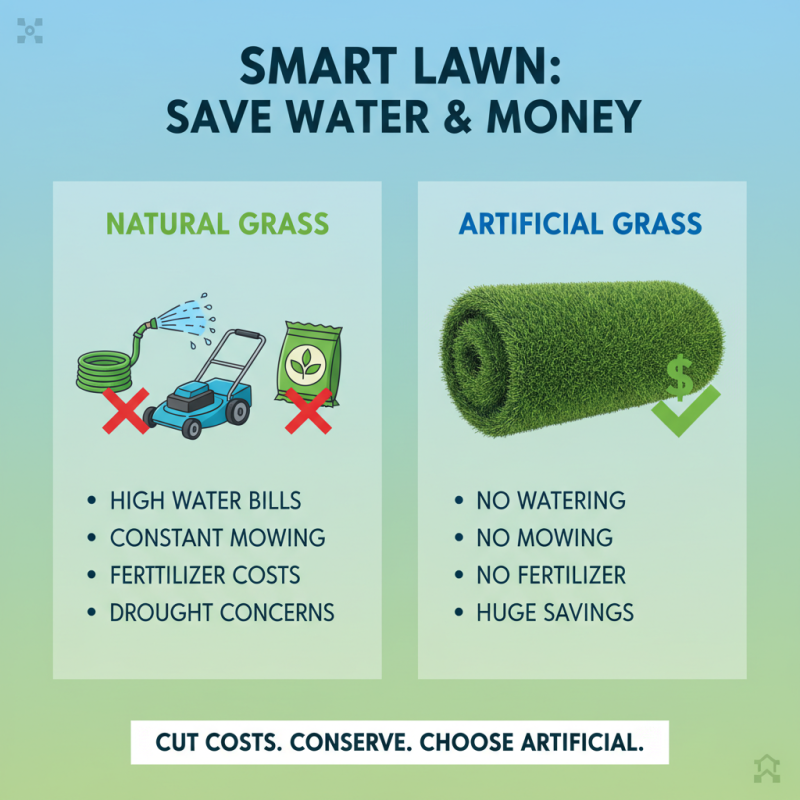
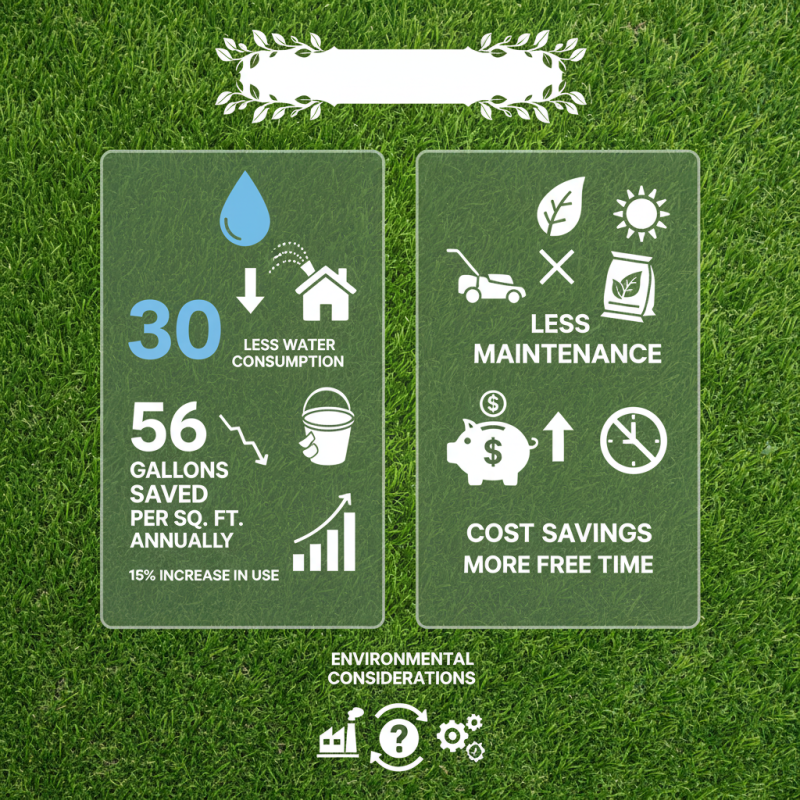
You know, as homeowners try to get those gorgeous, lush green lawns, more and more folks are turning to Artificial Grass. It’s actually been on the rise lately. The EPA says around 30% of city water goes just to watering lawns—crazy, right? That got a lot of people thinking about more sustainable options. Artificial Grass is a pretty neat solution because it doesn’t need watering at all, which really cuts down on water use.
And get this, the Synthetic Turf Council reports that Artificial Turf can save up to 56 gallons of water per square foot every year. That’s huge, especially in areas dealing with drought or strict water restrictions. People are really catching on to these benefits, and we're seeing about a 15% jump in artificial turf installs over the past few years.
Sure, it might seem a bit pricey at first, but honestly, the savings in maintenance and water bills over time more than make up for it. Plus, homeowners say they spend less time mowing and fertilizing—winning, right? Of course, it’s not all perfect. Some folks still have questions about the environmental impact of how it’s made and what happens when it’s disposed of. Still, for many looking to upgrade their outdoor space, the advantages of artificial grass make a pretty convincing case.
Advantages of Artificial Grass Over Natural Grass
Artificial grass offers numerous advantages over natural grass, making it a popular choice for homeowners and businesses alike. One major benefit is water conservation. According to the American Society of Landscape Architects, synthetic lawns can save up to 56,000 gallons of water annually per household. This significantly reduces water bills and environmental impact, especially in dry regions.
Maintenance is another critical point. Artificial grass requires minimal upkeep, eliminating the need for mowing, fertilizing, or pesticide application. A report from the Synthetic Turf Council highlights that synthetic lawns can reduce landscaping costs by up to 60%. This is particularly appealing to those with busy lifestyles, as the time and money spent on maintaining natural grass can add up quickly.
Tips: Choose a reputable installation service to ensure longevity. Check for infill options that improve drainage and cushioning. Regularly clean your synthetic lawn to prevent debris buildup. Remember, while artificial grass offers many benefits, every lawn owner should weigh aesthetic preferences against sustainability and functionality.
Cost Savings on Water and Maintenance for Your Lawn
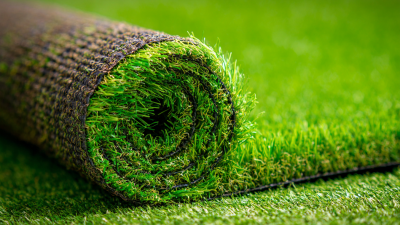
Switching to artificial grass can significantly reduce your lawn maintenance expenses. With natural grass, the constant need for watering, mowing, and fertilizing piles up costs. An Artificial Grass Rug needs no watering at all, saving you money on your water bill. In drought-prone areas, this is a game changer.
Maintenance also becomes much simpler. Regular mowing and trimming can take up valuable time. Meanwhile, an Artificial Grass Rug requires only occasional brushing and cleaning. There’s no need for annoying lawn equipment. Yet, some may feel guilty about choosing synthetic options over natural beauty. It's worth acknowledging that both choices have their good and bad points.
Cost effectiveness is a major draw of artificial grass. It’s a big investment upfront but can lead to savings in the long run. Homeowners must weigh their options carefully, considering both financial and environmental factors. Lower water usage is a strong argument for those looking to go green without the hassle of traditional lawn care.
Enhanced Durability and Longevity of Artificial Turf
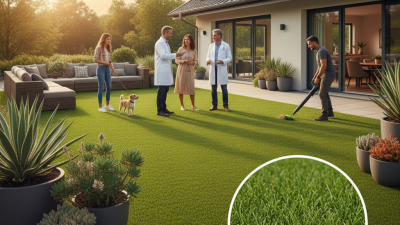
When considering the durability of your lawn, Artificial Turf Grass stands out as a reliable option. Unlike natural grass, it withstands heavy foot traffic and unpredictable weather conditions. This resilience makes it ideal for families with kids and pets. It won't wear down or become patchy over time, maintaining its vibrant appearance season after season.
Tips: Regular brushing can keep the blades upright and looking fresh. It's important to check for debris or dirt accumulation, as this can affect both appearance and longevity.
The longevity of Artificial Turf Grass often exceeds that of natural grass, lasting over a decade with proper care. While initial costs can be higher, the savings on water, fertilizers, and maintenance tools accumulate. You won't need to worry about annoying weeds or pest control either. Some might feel that synthetic materials lack the charm of natural grass; however, the trade-offs for durability and low upkeep are significant.
Tips: Choose high-quality turf to avoid fading over time. A little research into maintenance practices can enhance both durability and the overall aesthetic of your lawn.
Eco-Friendly Benefits of Using Synthetic Grass
Artificial grass offers numerous eco-friendly benefits for homeowners. One standout advantage is its water conservation. Traditional lawns require immense amounts of water, especially in arid regions. In contrast, synthetic grass needs minimal watering. This not only reduces your water bill but also conserves precious natural resources. It's a practical choice for sustainable living.
Another key factor is the reduction of chemical usage. Many lawns depend on pesticides and fertilizers to maintain their appearance. These chemicals can harm local ecosystems. By opting for Artificial Grass Carpet, homeowners eliminate the need for these products. This leads to healthier surroundings for both families and wildlife.
It's important to consider installation challenges and maintenance. Some may find the initial installation costs daunting. However, over time, the savings on water and chemicals can outweigh these upfront expenses. Evaluating the long-term ecological impact is crucial. While artificial grass enhances beauty and utility, proper care is still required to ensure its longevity.
Improved Aesthetic Appeal and Design Flexibility
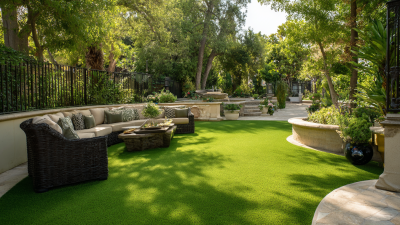
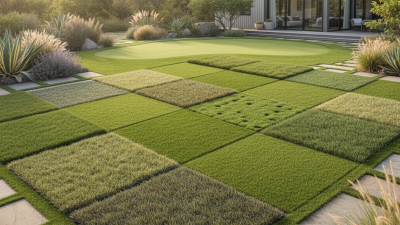
Artificial grass transforms any lawn into a vibrant outdoor space. Its lush appearance enhances the overall aesthetic of your property. Regardless of the season, the grass maintains its beautiful green tone. This consistency provides homeowners with a stunning landscape year-round. Moreover, it offers flexibility in design. You can create unique patterns or integrate it with flower beds and pathways.
The versatility of artificial grass allows for creativity in landscaping. Homeowners can choose different textures and styles to match their vision. However, not all options may suit every environment, so it's essential to consider specific conditions. Also, the initial investment might feel significant to some. Yet, the long-term benefits often outweigh the cost. Maintenance demands are far lower than natural grass. Heavy foot traffic doesn’t lead to patches or brown spots.
While many love the look of synthetic lawns, some may question their organic feel. There’s a growing debate about whether it matches the tactile nature of natural grass. It can sometimes lack the cool sensation underfoot that living grass provides. These potential shortfalls prompt homeowners to reflect on their choices. Balancing aesthetic appeal and sensory experiences is crucial for a satisfying lawn transformation.
Safe Play Areas: Non-Toxic and Allergen-Free Options
When considering safe play areas for children, artificial grass offers a non-toxic, allergen-free option that many families trust. According to a 2021 industry report, synthetic turf significantly reduces the prevalence of allergens like pollen and mold. This creates a healthier environment for children, especially those with sensitivities. With artificial grass, parents can allow their kids to play freely without worrying about harmful elements often found in natural lawns.
Moreover, artificial grass is typically made from materials that are rigorously tested for safety. The American Society for Testing and Materials (ASTM) outlines strict standards that synthetic turf must meet. These regulations ensure that the turf is not only safe but also durable. With a lifespan of up to 15 years, artificial lawns provide long-term, reliable play areas. However, some still point out that the initial investment is higher than natural grass. This can lead to doubts about the sustainability of such an option.
Understanding that safety features matter, many manufacturers emphasize their commitment to non-toxic materials. A 2020 environmental study indicated a growing preference for eco-friendly products, urging industries to adopt safer practices. While artificial grass may not be the perfect solution for every family, its benefits cannot be overlooked. Parents must weigh the pros and cons while considering their children's health and play experiences.
Time-Saving Aspects of Choosing Artificial Grass for Homeowners
Choosing artificial grass for your lawn can save homeowners significant time. With artificial turf, you eliminate frequent mowing and watering. This allows busy families to enjoy weekends without worrying about lawn care. Homeowners no longer spend hours maintaining a picturesque yard. Instead, they can focus on family activities and outdoor relaxation.
One practical tip is to assess your yard space before choosing the right type of turf. Consider the sun exposure and shade areas. This will help in selecting the best Pu Backed Artificial Grass that suits your specific needs. Another suggestion is to think about drainage. Good drainage can prevent issues like pooling water, enhancing your outdoor space’s functionality.
Maintaining artificial grass is also time-efficient. A simple rinse with a hose can remove debris. Weekly inspections can help identify any potential issues early. Remember, transitioning to artificial grass may require an initial investment of time to install correctly. Yet, the long-term benefits often outweigh this short-term effort. Embrace the convenience and enjoy a beautiful lawn year-round.
FAQS
: Synthetic grass conserves water and reduces chemical usage. It needs minimal watering, lowering water bills and resource use.
Yes, initial installation costs can be high. However, water and chemical savings may make it worthwhile over time.
Artificial grass enhances the aesthetic appeal of properties. It maintains a vibrant green color regardless of the season.
Absolutely! Synthetic grass allows for creative landscaping. Different textures and styles can match personal design visions.
Artificial grass is non-toxic and allergen-free. It reduces pollen and mold, creating a healthier play environment for kids.
It meets strict safety standards set by organizations like ASTM. This ensures durability and non-toxic materials.
The initial investment is high, yet long-term benefits can justify the expense. Cost-effectiveness depends on individual circumstances.
Some find that synthetic grass lacks the organic feel. The tactile experience may differ from natural living grass.
Artificial grass can last up to 15 years with proper care. Maintenance is lower than that required for natural grass.
Yes, not all synthetic grass options suit every environment. It's important to evaluate specific conditions for the best results.
Conclusion
Artificial Grass offers numerous advantages that make it an appealing choice for homeowners seeking a low-maintenance and aesthetically pleasing lawn. One of the primary benefits is the significant cost savings on water and maintenance, as artificial turf requires no irrigation or regular mowing. Additionally, its enhanced durability ensures a longer lifespan compared to natural grass, making it a wise investment in the long run.
Beyond financial savings, artificial grass also provides eco-friendly benefits by reducing water consumption and eliminating the need for pesticides and fertilizers. The synthetic surface ensures safe play areas for children and pets, as it is non-toxic and allergen-free. Furthermore, artificial grass allows for improved aesthetic appeal and design flexibility, giving homeowners the ability to create a vibrant lawn that maintains its beauty throughout the year while saving them time on upkeep.